
Transform Your Space with Drill‑Free Dividers and Clever Storage
Welcome! Today we dive into space‑saving room dividers and storage installed with pressure or adhesive only, perfect for renters, dorms, and flexible homes. Discover tension poles, peel‑and‑stick shelves, modular cubes, and privacy solutions that protect walls, reduce clutter, and adapt quickly as life changes. Expect practical guides, safety notes, design inspiration, and maintenance tips. Share your layout challenges in the comments, subscribe for updates, and let’s build a more organized, breathable home without noise, dust, or a single hole.

How Tension and Adhesive Systems Work
Understanding how pressure and adhesives create secure, reversible installations helps you plan confidently. Tension poles rely on compression between floor and ceiling, while modern adhesives spread load across surfaces, reducing stress points. When used within rated limits on compatible materials, both approaches rival traditional hardware for everyday tasks. We’ll demystify weight ratings, surface prep, and error‑proof testing, so your divider or shelf stays put, lifts cleanly when needed, and leaves your deposit intact.
Design Ideas for Small Apartments
Compact homes thrive on zones that shift with your day. Use tension‑mounted fabric panels for privacy that disappears at sunrise, or adhesive cube stacks for vertical sorting without drilling. Consider translucent dividers that preserve daylight, or cork‑backed panels to pin notes and art. Integrate hidden cable routes with stick‑on clips, keeping walkways clear. Borrow hotel tricks: luggage‑rack‑style shelving, over‑door organizers, and slide‑away screens. Share a sketch of your floor plan and we’ll suggest a tailored arrangement.

Installation Guides for Common Setups
Follow these practical walk‑throughs for swift, confident results. We’ll cover measuring, marking invisible centerlines with low‑tack tape, aligning verticals using a phone level, and protecting delicate finishes. Timers help you honor adhesive cure windows, while painter’s tape supports parts temporarily. Practice safe loads by ramping weight in controlled stages. If you’re unsure, post a photo of your surfaces and we’ll advise on pad size, pole spacing, or alternative configurations that respect weight ratings and airflow.
Ceiling‑to‑Floor Divider with Tension Poles
Start by locating the firmest ceiling area away from loose texture. Cut fabric or lattice panels to ceiling height minus the cap thickness. Dry‑fit poles, keeping them plumb with a level app. Add protective felt under caps for delicate paint. Increase compression gradually, alternating ends to avoid skew. Clip panels using non‑marring clamps spaced evenly to prevent sagging. Perform a shake test, then live with it twenty‑four hours before adding hooks for plants or lightweight organizers.
Adhesive‑Mounted Floating Shelves, Safely Done
Choose shelves designed specifically for adhesive mounting, not retrofitted hardware. Clean with alcohol, mark a straight line using removable tape, and apply anchors at the manufacturer’s spacing to distribute load. Press firmly for the recommended seconds, then let the bond cure fully before placing items. Start with light decor, then graduate to books within the rated limit. Keep heavier objects close to the wall, not at the lip. Document the configuration for effortless reinstallation in your next apartment.
Fabrics, Panels, and Acoustic Options
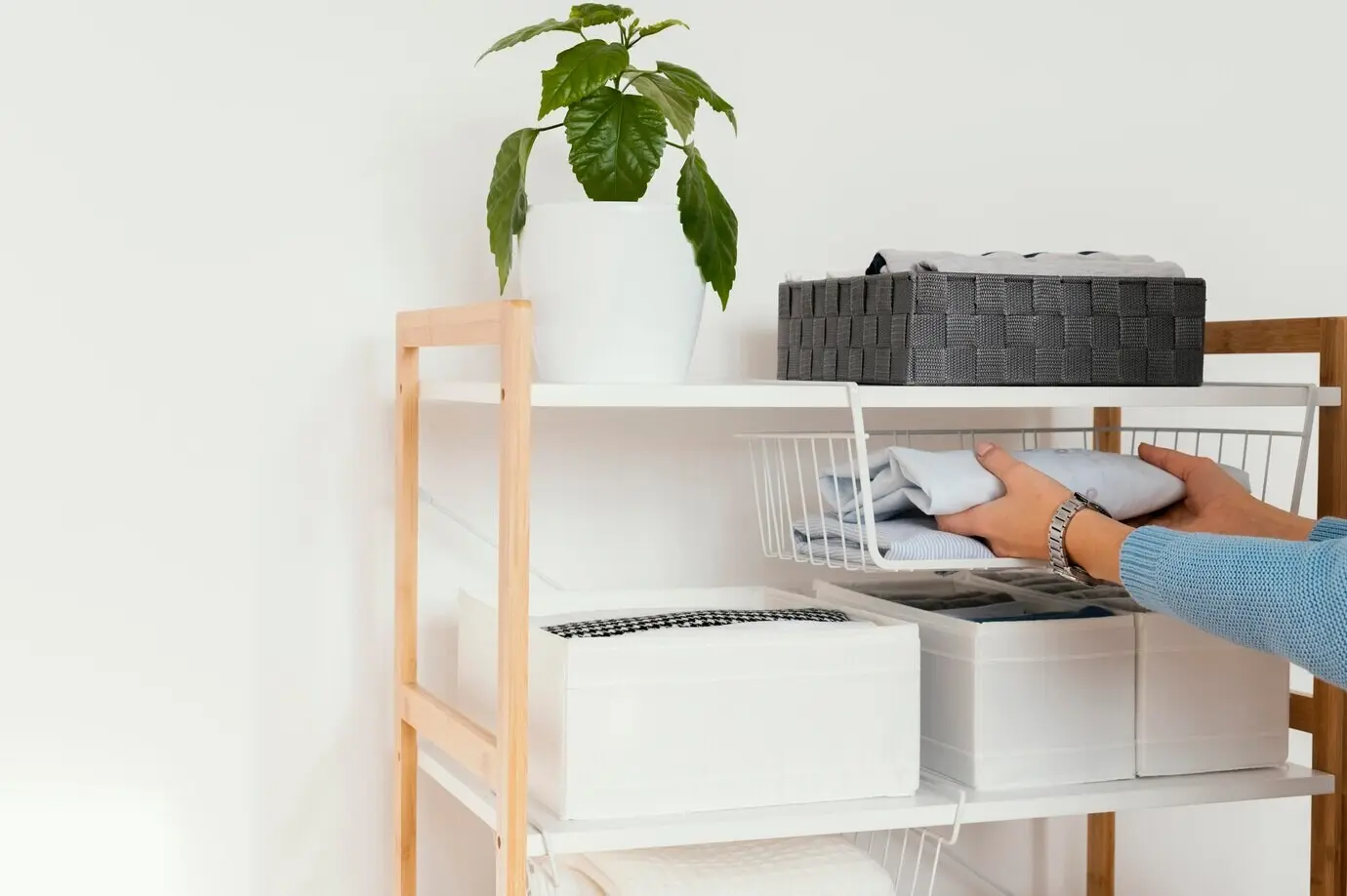
If you take frequent calls, consider 6–12 millimeter PET felt panels; they absorb mid‑range chatter without swallowing light. For washable elegance, cotton‑linen curtains with a tight weave resist stretching across tension tracks. Polycarbonate fluted sheets blur views and clean easily. Combine soft and hard layers to balance sound and structure. Add hem weights or magnet strips for stability near drafts. When coordinating, repeat one texture in pillows or runners to stitch the whole room together visually.
Adhesive Care and Residue Removal
Proper preparation and gentle removal preserve surfaces. Always clean with isopropyl alcohol, never ammonia glass cleaners that leave films. To detach, warm stubborn pads with a hair dryer, then pull low and slow at the shallowest angle. For residue, try citrus‑based removers, followed by mild soap, then rinse. Patch matte paint with a feathered roller if sheen variations appear. Keep spare adhesive strips sealed from humidity to maintain tack. Track removal dates to anticipate replacement before bonding weakens.

Safety, Load Limits, and Household Realities
Daily life introduces playful pets, curious toddlers, and spontaneous dance parties. Design for bumps and tugging, not just static weight. Favor rounded edges, locked clips, and anti‑tip measures. Keep heavy items low, light items high, and pathways generous. In humid baths or steamy kitchens, use moisture‑tolerant materials and check adhesion monthly. For rentals, photograph before‑and‑after views to document care. Tell us about your household’s routines, and we’ll suggest child‑safe configurations and clever anchors that won’t scare your landlord.
Style, Color, and Cohesive Layouts
Dividers and storage can be functional sculptures that calm the eye. Keep sightlines long by stepping heights gradually and choosing materials with subtle translucency. Repeat a color in three places for harmony: panel, pillow, basket. Use adhesive lighting to wash panels softly, expanding perceived space. Cable guides maintain clean lines. Post a snapshot of your palette and favorite object; we’ll propose panel colors, fabric textures, and anchor placements that pull everything together like a designer’s quiet, confident hand.
All Rights Reserved.